Digital Liabilities: The Hidden Risks of an Outdated UI/UX on Stakeholder Trust
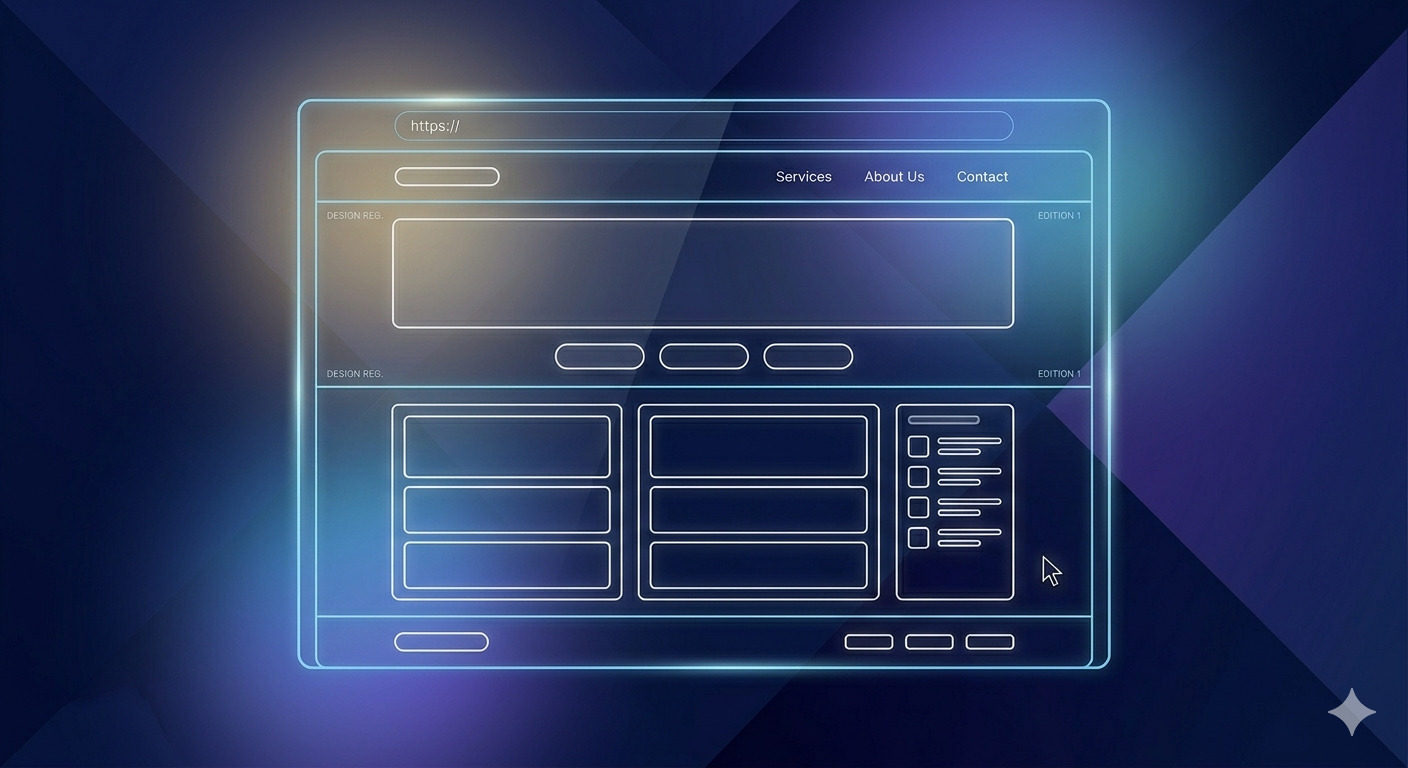
For public companies, a corporate website redesign is not just about aesthetics; it is a strategic restructuring of information architecture for diverse stakeholders—investors, regulators, customers, and the media. One of the most significant hurdles is preserving SEO authority through precise URL migration. Ideally, enterprise-scale organizations should refresh their digital presence every three years. In reality, however, many Indonesian firms still rely on platforms built over five years ago.
Critical elements of this transition include SEO migration planning to prevent organic traffic loss, multilingual content architecture with proper hreflang implementation, Core Web Vitals compliance, and schema markup to ensure content is “AI-ready.” Companies that execute this migration correctly typically see a ranking lift within 3–6 months. Stucel has spent over a decade managing enterprise migrations through countless Google algorithm shifts, maintaining keyword performance for clients across financial services, mining, energy, manufacturing, tech, and real estate.
What Defines a Public Company Website Standard?
A website is no longer just a digital brochure; it is a tool for regulatory compliance and public trust. Beyond visual appeal, a listed company (Tbk) website must feature:
- Investor Relations (IR) Hub: Real-time stock feeds, annual reports, and financial statements.
- Compliance & GCG: Dedicated sections for Good Corporate Governance, Board of Directors profiles, and Shariah compliance where applicable.
- Seamless Bilingual Capabilities: Fluid switching between Bahasa Indonesia and English with accurate SEO tagging.
- ESG Transparency: Documentation of Environmental, Social, and Governance (LHK) initiatives—now a non-negotiable for global institutional investors.
The Navigation Dilemma: Unique vs. Descriptive
During any corporate website kickoff, the most intensive discussions, beyond aesthetics revolve around Information Architecture (IA) and navigation structure. A website must serve a broad audience, and without extensive Usability Testing, predicting user behavior is nearly impossible.
Often, companies fall into the trap of naming their services or products with “catchy,” trendy, or internal terms to appear distinct. However, for a user discovering your brand for the first time, non-descriptive navigation becomes a barrier. Ambiguous terms force visitors to “guess” what lies behind a menu, slowing down their information gathering and increasing the likelihood of a bounce.
Case Studies:
Dassault Systèmes prioritizes product names over functional descriptions in their navigation. While this builds product brand awareness, it requires extra effort from new audiences who aren’t yet familiar with their ecosystem.

In contrast, Schneider Electric and Microsoft stick to generic, descriptive terms in their primary navigation. Users don’t have to guess the meaning behind the labels; the path to information is frictionless.


NVIDIA offers perhaps the best middle ground by combining descriptive labels with catchy product names. This caters to both marketing goals and user needs. Ultimately, Clarity is the highest form of professionalism when serving a public audience.

How to Redesign Without Sabotaging Your Google Rankings
It is normal to see some ranking volatility or organic traffic shifts immediately after a launch. However, there are strategic ways to prevent a significant collapse:
- Keyword Audit: Mapping out exactly which pages drive the highest traffic value.
- 301 Redirect Implementation: Pointing Google precisely from old URLs to their new locations.
- Core Web Vitals Optimization: Ensuring the new site is significantly leaner and faster than its predecessor.
- Post-Launch Monitoring: Using Google Search Console to identify and fix 404 errors the moment the site goes live.
Why SEO Matters for Public Corporations
For a listed company, SEO isn’t just about “clicks”, it is about reputation management and stakeholder accessibility. Our approach focuses on:
- Authority Dominance: Ensuring the company remains the primary result when investors search for industry insights or specific brand names.
- AI Search Visibility: Using proper schema markup to increase the chances of corporate data being cited by AI-driven search engines by 30–40%.
- Trust & Credibility: High rankings for terms like “Annual Report” or “ESG [Company Name]” ensure that regulators and analysts find accurate data instantly.
What CMS Is Best for Enterprise Websites in Indonesia?
For most Indonesian corporations, WordPress with enterprise hardening is the gold standard. It offers the best balance of user-friendly content management for internal CorpComm teams and robust SEO capabilities. For companies with extreme security requirements or complex data integrations, Headless CMS solutions are becoming increasingly popular to decouple the backend data from the frontend display.
Breaking it Down
How long does a corporate website redesign take?
A corporate website redesign for a public company typically takes 3 months, including discovery, information architecture, design, development, content migration, SEO migration, and testing. More complex sites with multiple language versions or compliance requirements 4–5 months.
Why is “Clarity” in navigation considered a form of professionalism?
Because you cannot predict user behavior. When you use generic and descriptive labels, you remove the “guessing game” for the public. This speeds up their information gathering and prevents them from leaving the site (bouncing) out of confusion.
Why is SEO so critical for a public company website?
It’s about reputation management. Proper SEO ensures your company is the primary result when stakeholders search for your industry or brand. With the right schema markup, your corporate data also has a 30–40% higher chance of being cited by AI search engines.
What CMS is best for public company websites in Indonesia?
WordPress with enterprise hardening is the most common choice for Indonesian corporate websites due to its flexibility, multilingual support (WPML), and large developer ecosystem. Headless CMS solutions are growing for companies with complex content workflows.
Does a website redesign always damage Google rankings?
It is normal to see some ranking volatility or organic traffic shifts immediately after live. However, if you implement the right “tricks”—like 301 redirects and keyword mapping—you can avoid significant traffic loss and maintain your digital authority.
Editorial Note: The analysis above is written purely from a User Experience (UX) perspective for public educational purposes. The examples used are intended to illustrate the dynamics between corporate branding strategies and navigational accessibility. They are not intended to evaluate the business performance or service quality of the companies mentioned, but rather to serve as a starting point for discussions on creating more inclusive digital experiences for a general audience.