

Enhance the overall digital experience for your users. UX research agency will establish facts, find problems, and reach new conclusions.
The data will be the foundation for your strategy and design decisions.
Conducting extensive research provides significant insights into user behaviors, preferences, and pain points, helping you to have a website, web app, or mobile app that is intuitive, user-friendly, and meets your audience’s expectations.
This not only improves user satisfaction but it also contributes to increased engagement, higher conversion rates, and ultimately, the success of brand’s online presence.
Prioritizing UI and UX research demonstrates your dedication to offering a seamless and engaging online experience, generating great brand perceptions, and increasing user loyalty.
Our UI & UX Research process
The objective in UI/UX research defines the overarching goal or purpose of the study.
It outlines what the research aims to achieve in terms of improving the user experience and meeting specific business or user needs.
Clearly defined objectives ensure that the research outcomes align with the broader goals.
Hypotheses in UI/UX research are informed assumptions or predictions about user behavior, preferences, or challenges. Establishing hypotheses helps guide the research process, allowing us to test and validate assumptions. This approach ensures that design decisions are based on data-backed insights, increasing the likelihood of creating a website, web app, or mobile app, that resonates well with the target audience.
The method in UI/UX research refers to the approach or set of techniques used to gather data. This can include methods such as user interviews, surveys, usability testing, and analytics analysis. Choosing the right methods tailored to our specific context ensures a comprehensive understanding of user needs and behaviors.
Conducting UI/UX research involves the actual execution of the chosen research methods.
This step is crucial for gathering qualitative and quantitative data directly from users.
Through effective and empathetic conduct, we can gain firsthand insights into how our audience interacts with the website, web app, or mobile app and identify areas for improvement.
Analyzing the collected data involves interpreting the findings and drawing meaningful conclusions.
This process allows us to identify patterns, trends, and key insights that inform design decisions.
Clear analysis ensures that we can make informed choices based on a deep understanding of user expectations and behaviors.
The design phase involves translating the research insights into actionable improvements for the website, web app, or mobile app’s user interface and experience.
This client-centric approach ensures that design decisions are directly informed by user needs, preferences, and pain points, resulting in a product that is visually appealing and highly functional.
In the production and beta phases, the insights gained from the research and design phases are implemented into the actual website, web app, or mobile app.
This client-focused process ensures that the product undergoes a controlled release to a select audience (beta testing) before full deployment. This allows us to gather additional user feedback and make final refinements, ensuring the product’s optimal performance and user satisfaction.
About the research
-
Repeatable
Our UI/UX research is an iterative process designed for continuous improvement. After each production cycle, we can revisit objectives, gather new insights, and refine the user experience based on real-world data and evolving user needs.
-
User interviews
We conduct in-depth user interviews to understand your audience's motivations, pain points, and expectations. These one-on-one conversations reveal valuable insights that quantitative data alone cannot capture, helping us design experiences that truly resonate with your users.
-
Qualitative and quantitative data
We combine both qualitative insights (user feedback, observations, interviews) and quantitative metrics (analytics, conversion rates, behavior patterns) to create a comprehensive understanding of user experience. This dual approach ensures design decisions are backed by both numerical evidence and human context.
Behind the scenes
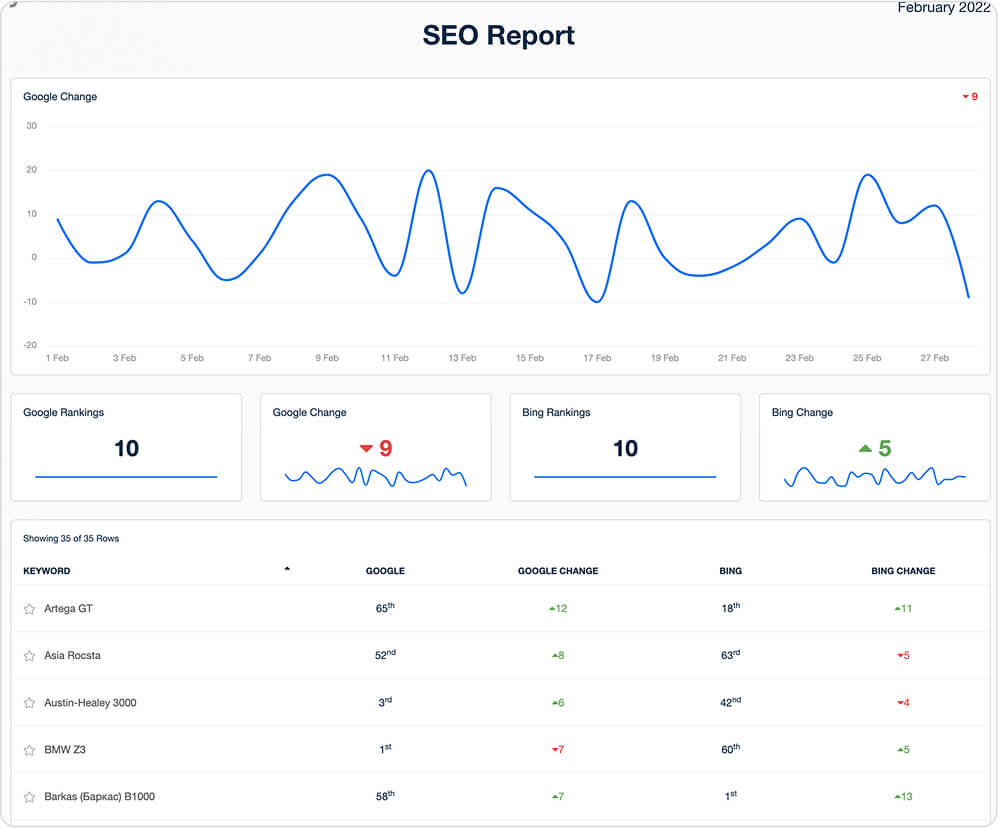
Understanding User Behavior Through Research
Our UI/UX research process involves careful observation and analysis of how users interact with digital products. Through heatmaps, session recordings, and user testing, we identify friction points and opportunities for improvement. This data-driven approach allows us to make informed design decisions that enhance usability and drive conversions.
From Insights to Implementation
Every research finding translates into actionable design improvements. We document user pain points, create user journey maps, and develop wireframes that address specific challenges. Our collaborative approach ensures that research insights are effectively communicated to designers and developers, resulting in a product that truly serves your users’ needs.
Want a website and app that users love? Consult with us now
Frequently Ask Questions
UI/UX research is the process of understanding how users interact with your digital products: websites, apps, or platforms. It identifies friction points, unmet needs, and opportunities for improvement. For enterprise companies, this translates to higher conversion rates, reduced customer support costs, and stronger user retention.
UX research, focuses on the overall journey—how users navigate, what frustrates them, and what they need.
UI research, examines the visual and interactive elements—buttons, layouts, forms, and design consistency. Effective digital products require both working together.
UX research identifies exactly where users drop off, hesitate, or abandon tasks. By understanding these friction points, we can redesign flows, simplify processes, and remove barriers. The result: more users complete their intended actions, whether that’s signing up, purchasing, or submitting inquiries.
Our approach depends on your objectives. Common methods include user interviews, usability testing, heatmap analysis, session recordings, surveys, and competitive benchmarking. For enterprise clients, we often combine quantitative data with qualitative insights to build a complete picture.
Timelines vary based on scope. A focused usability audit may take 2-3 weeks. Comprehensive research involving user interviews, testing, and strategic recommendations typically runs 4-8 weeks. We’ll define the timeline clearly before starting.
Yes. We research both web and mobile platforms native apps, responsive websites, and hybrid applications. Mobile UX has distinct considerations including touch interactions, screen size constraints, and usage context that require specialized attention.
You’ll receive a detailed research report including findings, user insights, identified problems, and prioritized recommendations. Depending on scope, this may also include user journey maps, persona documentation, wireframe suggestions, and a presentation for stakeholders.
Yes. Remote research methods—including moderated video sessions, unmoderated testing, and digital analytics—allow us to gather insights from users across Indonesia or internationally. Remote research is often more cost-effective and can reach a broader user base.
A/B testing compares two versions to see which performs better—it tells you what works. UX research explains why users behave the way they do. Both are valuable: research informs hypotheses, testing validates them. We can support either or both.
Ideally before building or redesigning a digital product—research prevents costly mistakes. But UX research also delivers value for existing products experiencing low conversion, high bounce rates, or user complaints. It’s never too late to understand your users better.